
SA Composters
SA Composters project
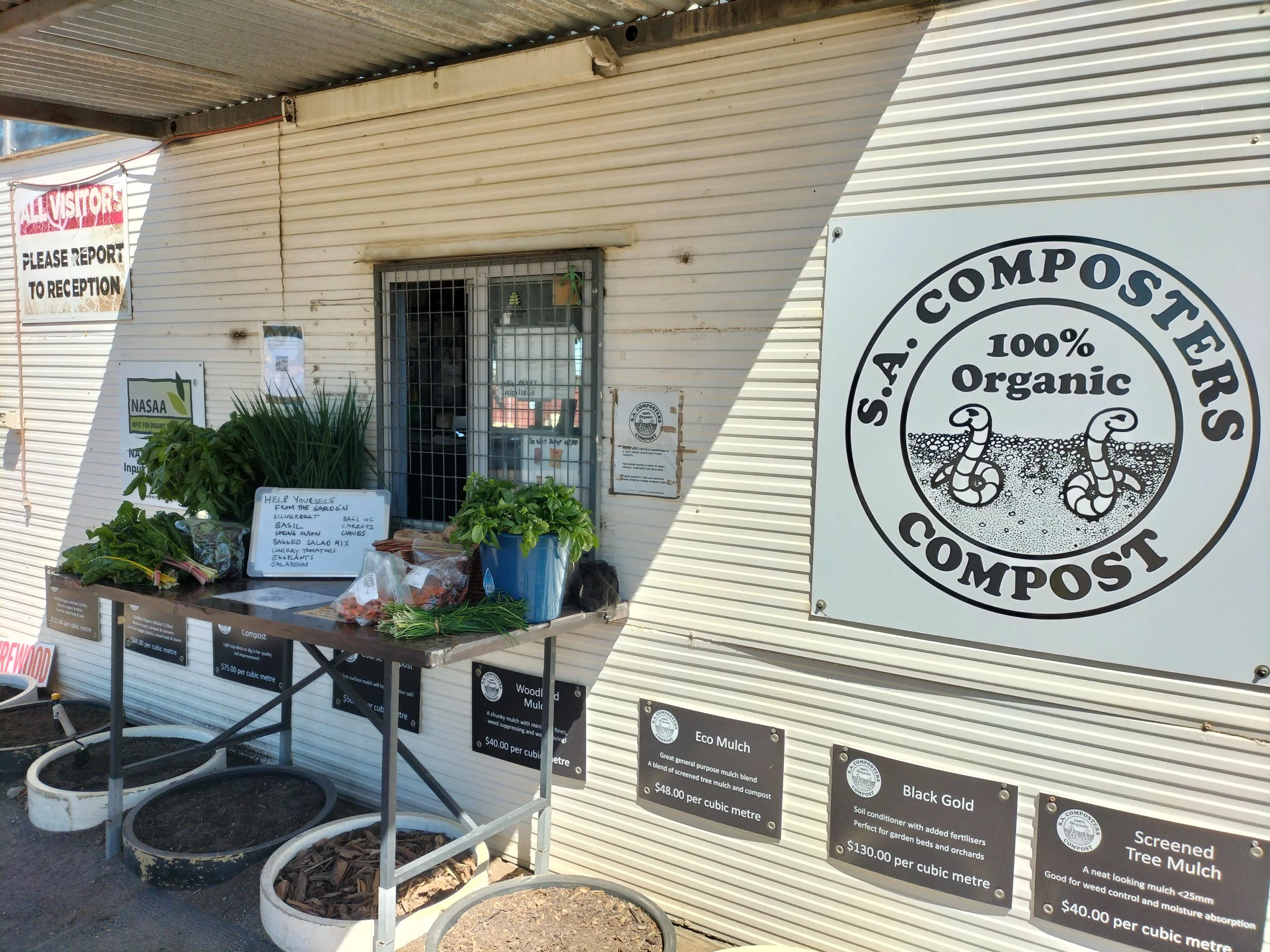
Since 2023 we have managed the SA Composters demonstration garden in Lonsdale where we grow a variety of annual and seasonal crops for distribution to SA Composters staff and customers.
This produce is made available on a weekly or fortnightly basis at the SA Composters front office.
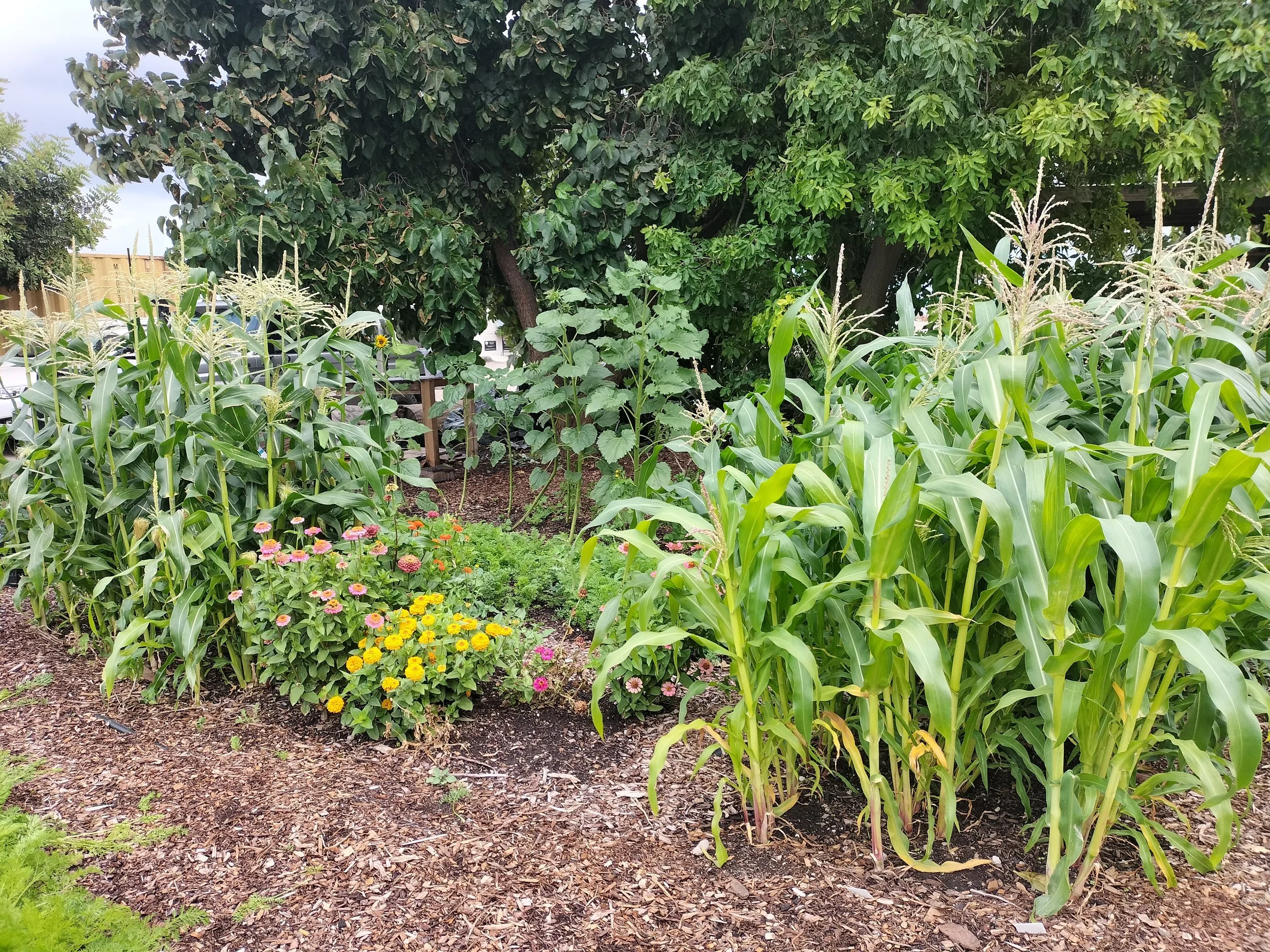
At this site we use agroecological techniques including:
No-till growing: We minimise disturbance of the soil through digging and cultivation in order to encourage a healthy and diverse community of organisms in the soil. These organisms do the heavy lifting of cycling nutrients to plants. These range from microscopic bacteria, fungi, nematodes and protozoa to worms, beetles, spiders and more. This population of organisms helps the exchange of water, particular nutrients and performs services like pest and disease control.
Organic inputs: We don’t use any chemical pesticides, herbicides or fertilisers. Instead, we use organic compost produced on site, wood chip mulches and animal waste products such as manure and blood and bone to fertilise crops.
Crops to encourage biodiversity: We plant flowers specifically to attract beneficial pollinators and predators to help with pollination and pest management. We also regularly allow crops to go to seed to encourage more insect life.
Seed: We use open pollinated seed varieties to allow us to continue the preservation of genetic diversity in food crops and so we can save our own seed.
Crop rotation: We use crop planning strategies to ensure plant families are rotated through our soils. This supports greater diversity of soil organisms as plants and organisms build diverse associations.
Cover cropping: These are crops grown not for an edible harvest, but to improve soil quality. They are directly sown into the beds and left to grow and feed the soil food web. They generally include a grass for organic matter and nutrients and a legume for adding nitrogen. These are generally cut down before they set seed and left on top of the soil as mulch in preparation for a new edible crop. They also suppress weeds, aerate the soil and create mulch
Gallery
Harvest stand at the SA Composters front office.
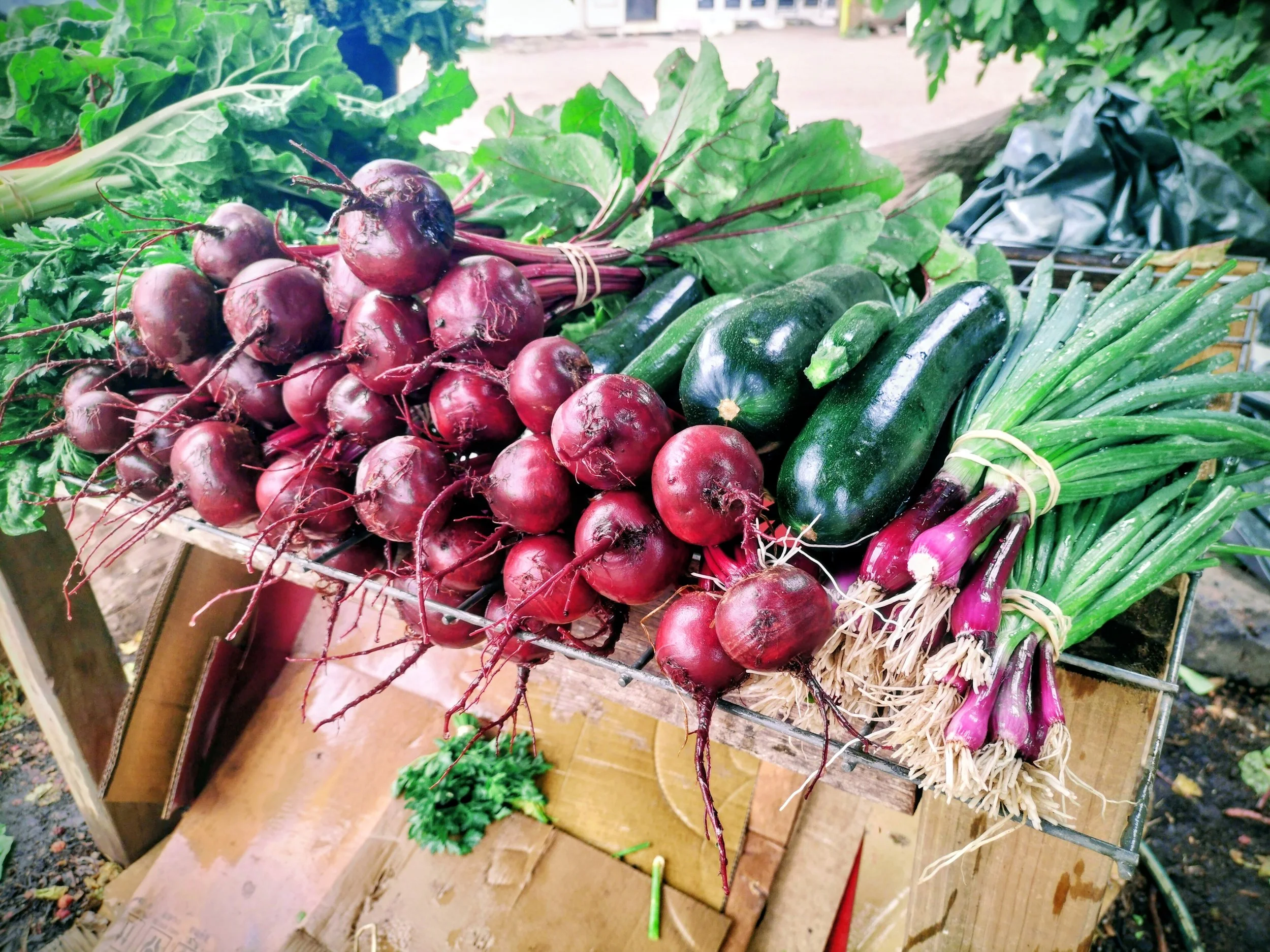
Freshly harvested beets, zucchini, spring onion and rainbow chard.
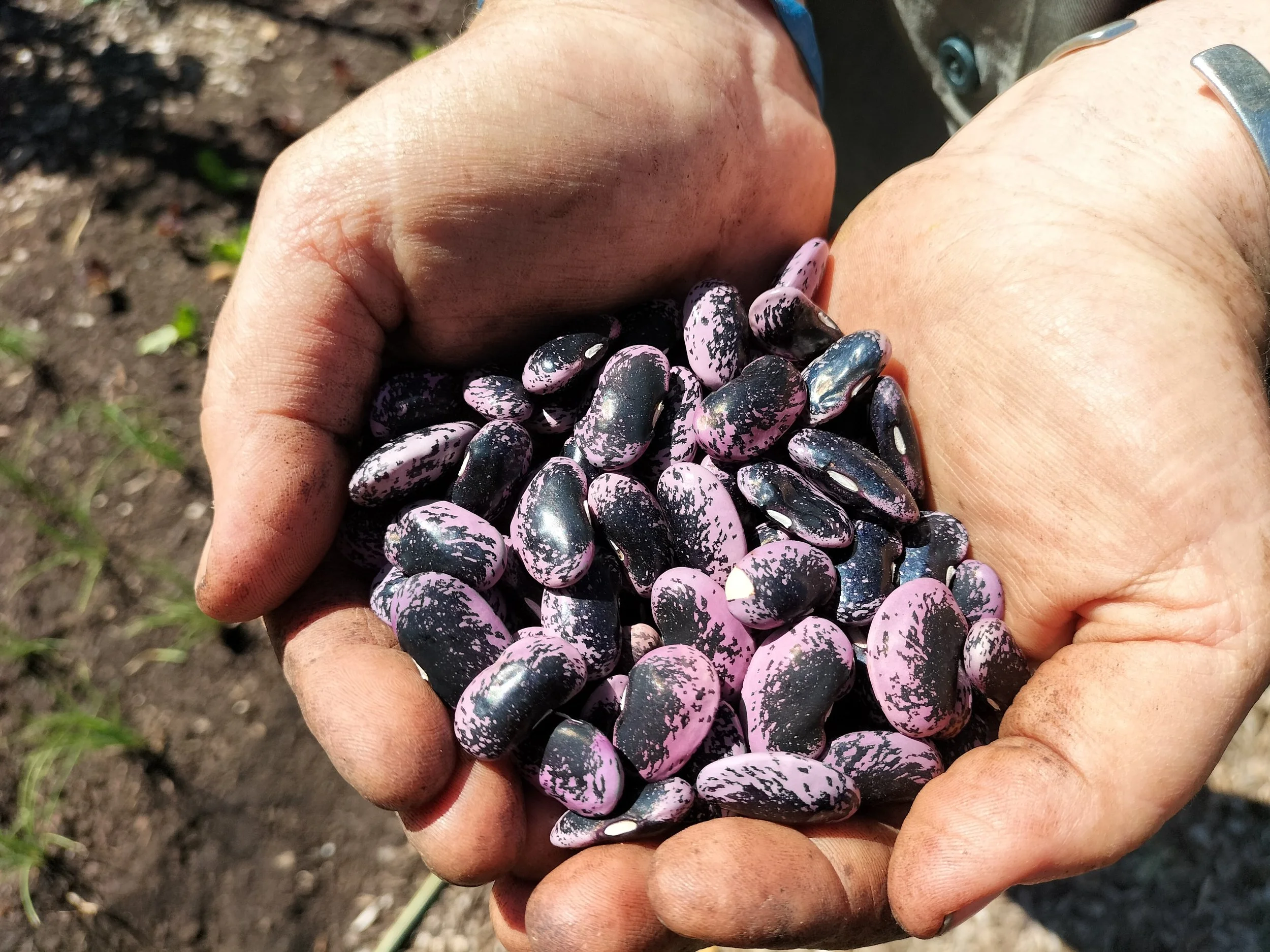
Scarlet runner beans harvested summer 2026 for replanting next season
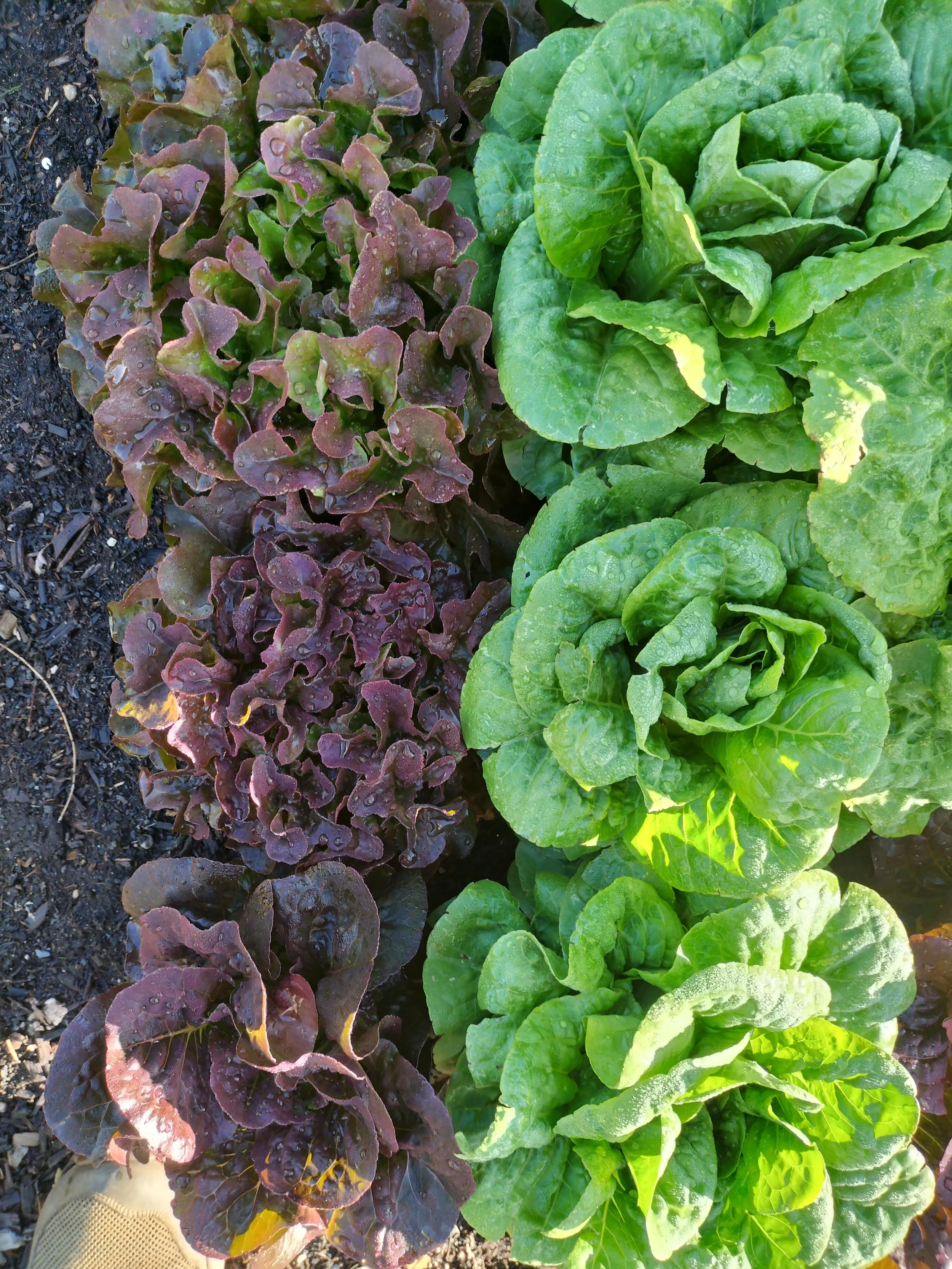
Densely planted lettuce.
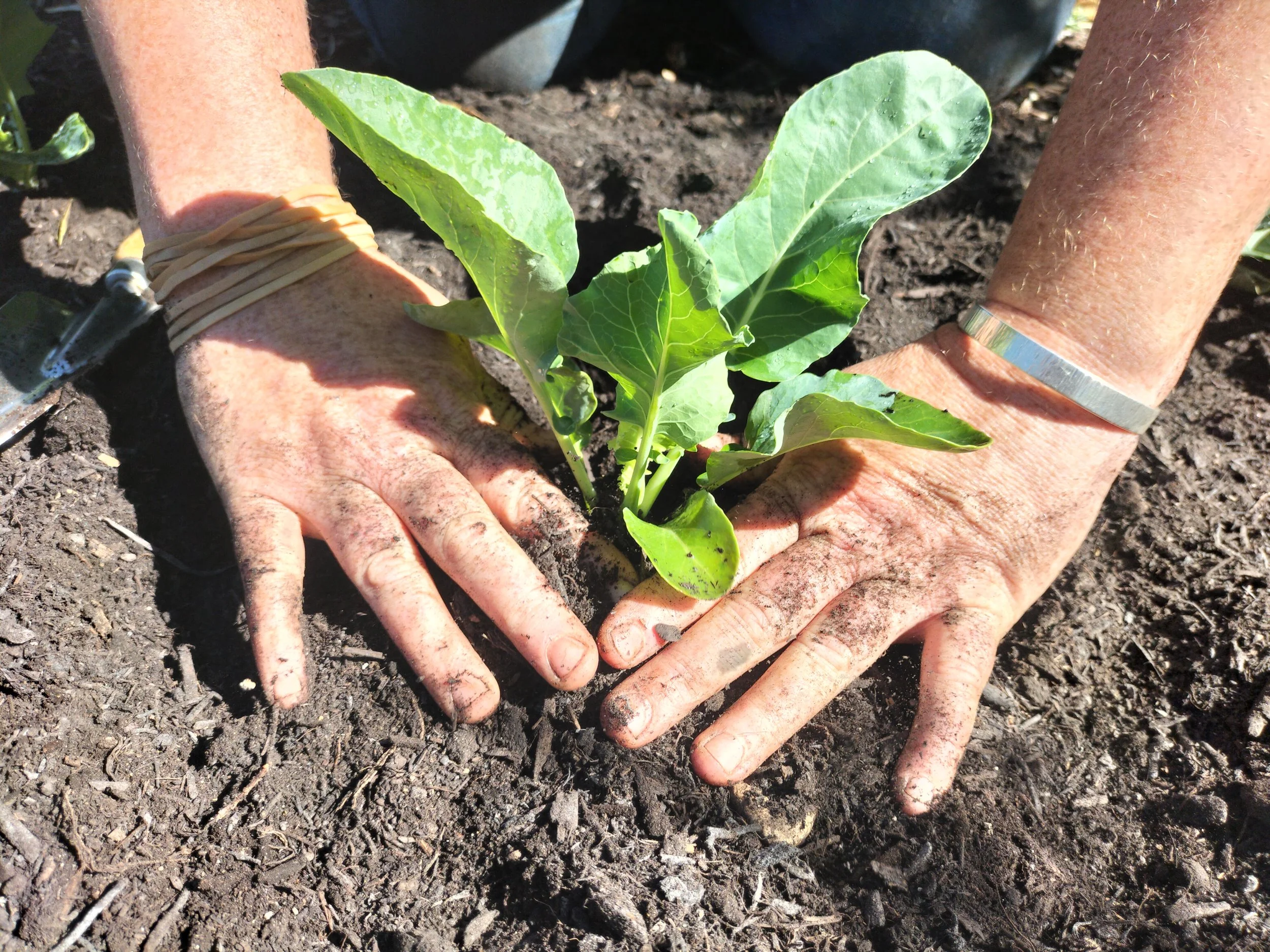
New season broccoli going in.