
About us
Our Board
Emily Chapman-Searle
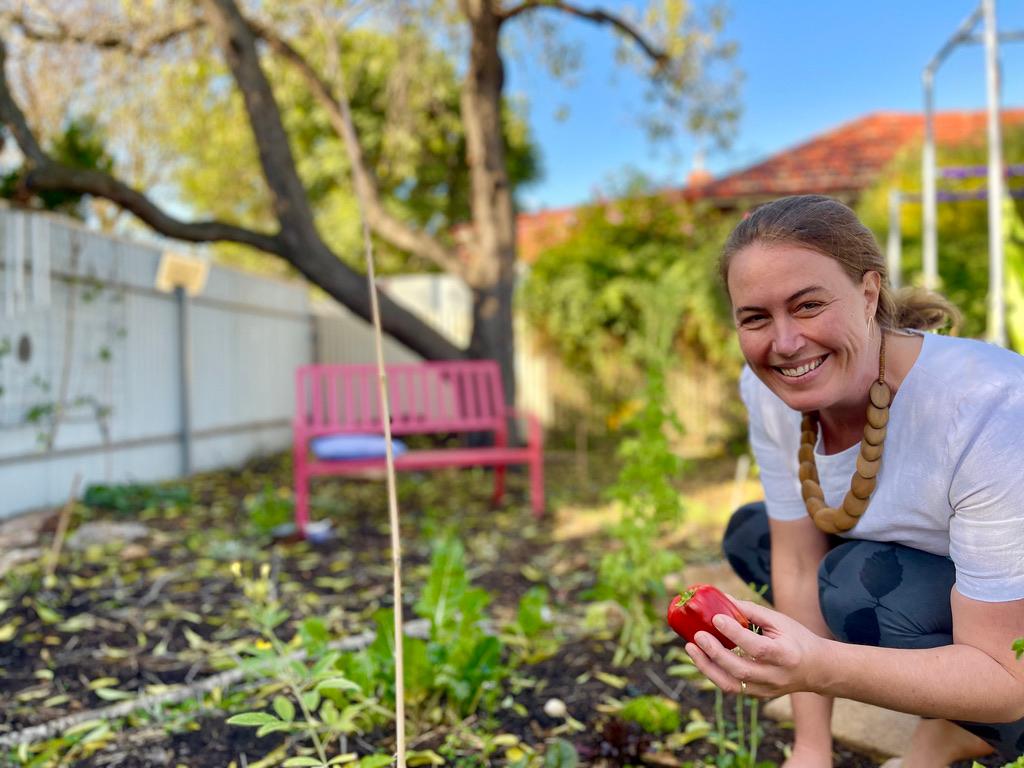
Emily is a facilitator, organiser, gatherer, educator and Quaker. Having moved to Kaurna country 8 years ago, she loves living near the beach and is amazed at how long the tomato growing season is, compared to Canberra where she grew up. Emily has worked as a teacher, facilitator, environmental consultant, public servant and been involved in community climate organising and food co-ops. Her experience as a Quaker has grounded her in democratic decision making and the power of carefully held spaces and committees! Emily loves a good meeting and creates thoughtful processes to help find clarity, identify tensions and make collective decisions. She and her partner have a productive food garden and native garden and she loves the creativity, innovation and delight of spending time in the garden.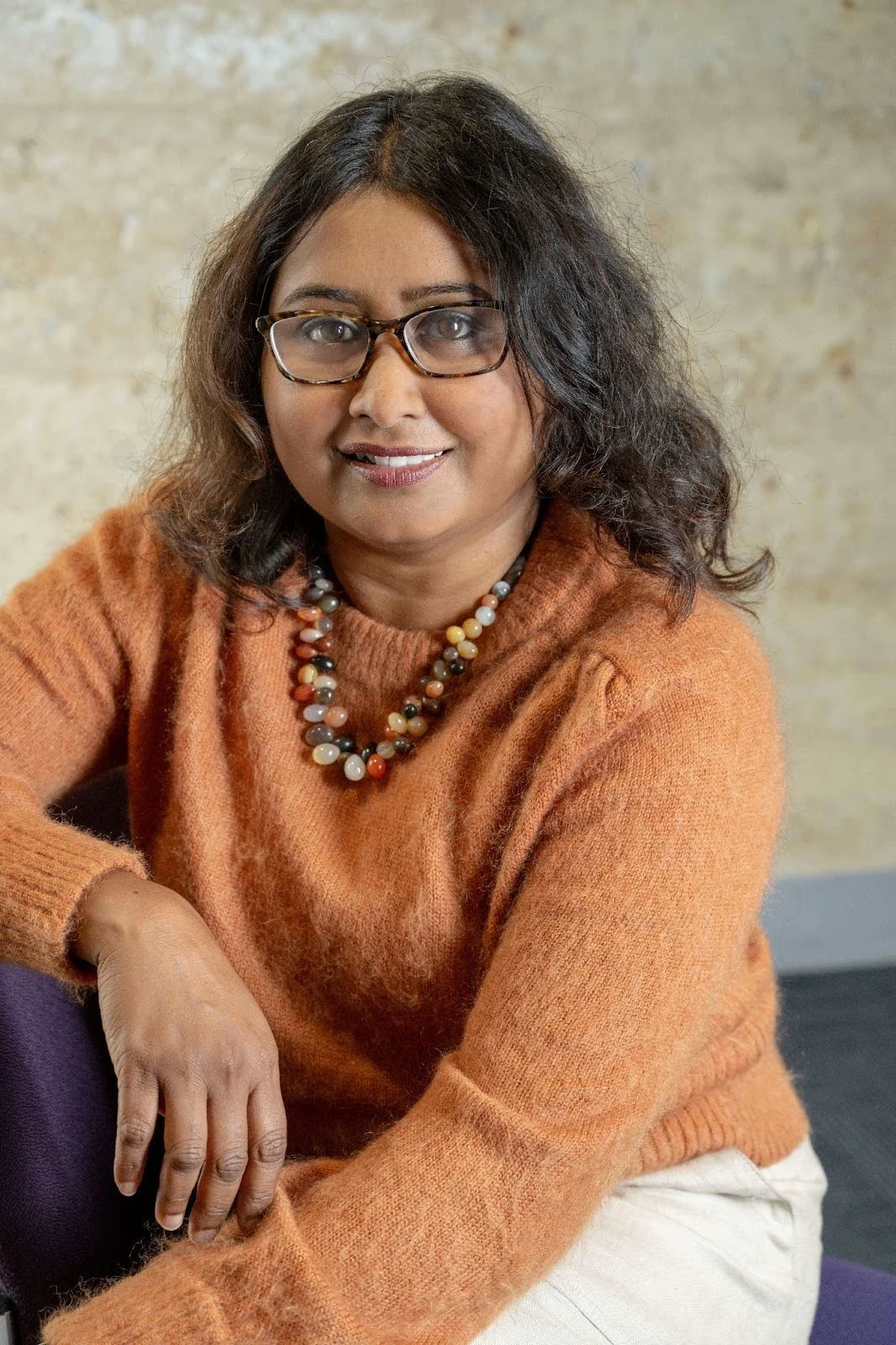
Sultana Razia
Sultana (she/her) is a cisgender Bangladeshi born social worker and human rights activist who lives and works on Kaurna land. She has experience providing trauma informed therapeutic support and spent over 15 years in South Asia working on human rights and social justice issues. These experiences, along with her professional training, have given her both the passion and the skills to hold a space for others with compassion, curiosity, and non-judgement. Her work and personal healing journey have also shaped her belief in the healing power of nature and inspire her to integrate nature based practices into her offerings.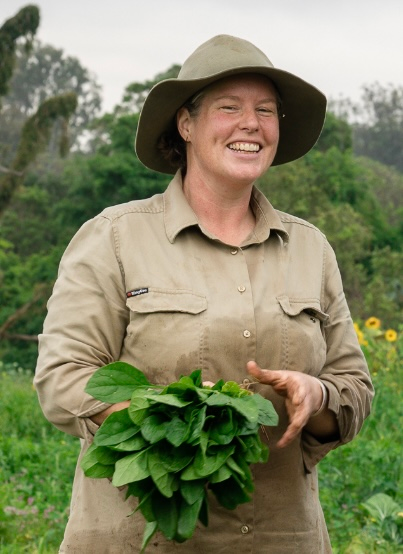
Lisa Hill
Lisa Hill hasn't written a bio since the late 2000s when she was an arts-worker; helping craft theatre, festivals, concerts, and cinema experiences for over a decade.

Around that same time - buying boxes of veggies led to a job with Food Connect Adelaide, sparking the idea of a career change. Two years working with a major organic fresh produce distributor in Vancouver, Canada cemented the intention to become a farmer.  Returning to Australia, Lisa landed with Food Connect Brisbane, then onto an organic veggie farm in Scenic Rim, Qld.

Another decade, another career, Lisa now works in public health and keeps her fingers in the soil with a small group of wonderful gardening clients and a home veg patch. Happy to be back with friends & family, Lisa is now relishing her latest challenge after so long up north - how to grow in a dry climate!
Kate Washington
Kate (she/her) was born on Algonquin Territory and has called Kaurna Yarta home for over a decade. She has a professional background in small scale organic agriculture, environmental education and community development (with a focus on youth). Her passion for bringing others' lived experience forward to inform organisational policy & programming has engineered her current exploration in social innovation and excitingly, to the table as a board member of Just Ground. She has worked side by side with both Indi and Phoebe in local farms and is a strong believer in ground-up development. From the people, for the people and the earth. 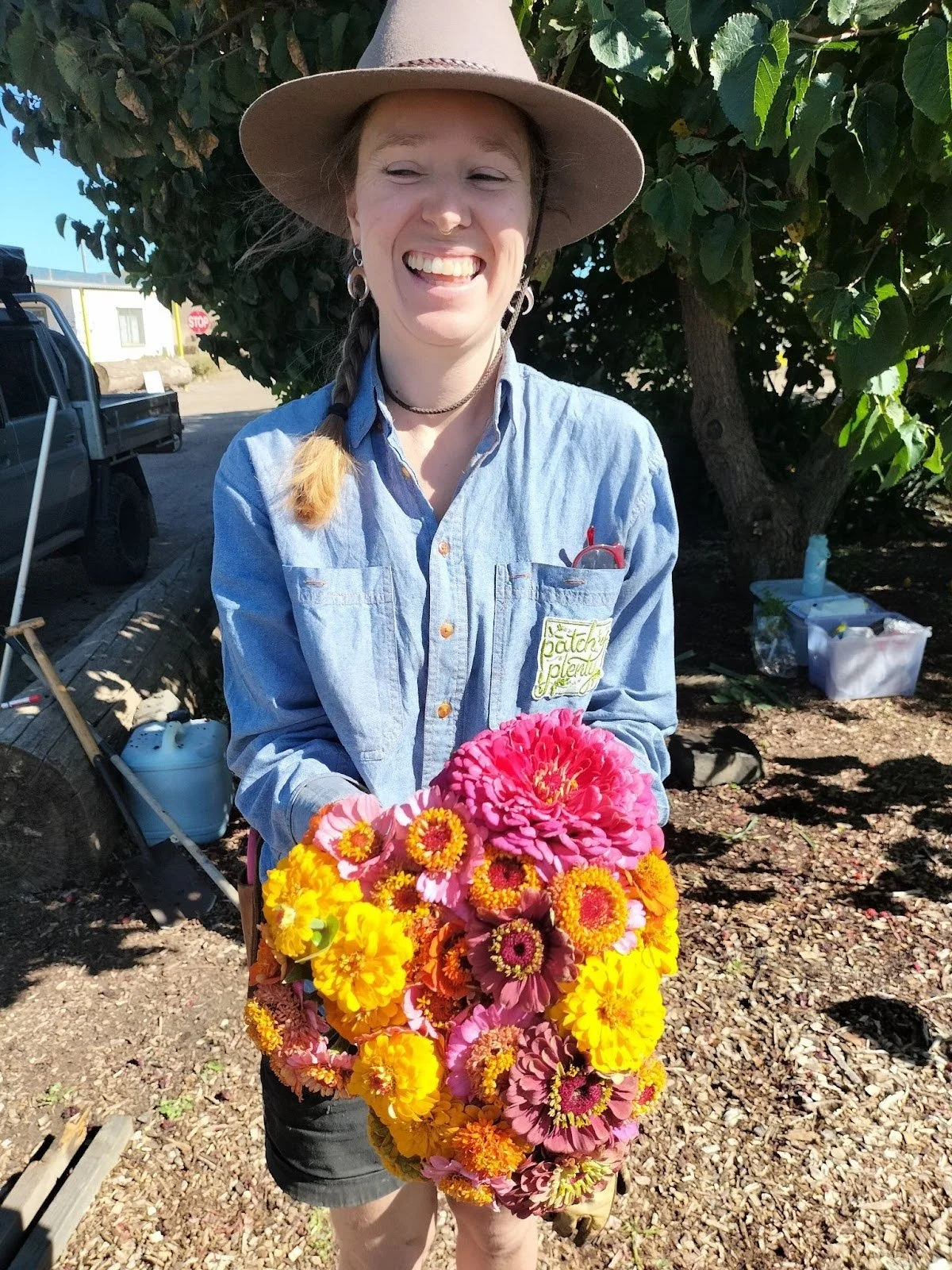
Phoebe Elver
Phoebe (she/her) lives and gardens in beautiful Christies Beach. She is a queer, chronically ill farmer, writer, educator and parent. Phoebe has worked as a bicycle mechanic, a hotdog saleswoman, a canine evolution researcher and a blood bank phlebotomist, but growing food with community is the thing that really makes her heart sing. She co-founded the Goat Collective at Aldinga Ecovillage and has spent many a happy morning with cheek pressed to hairy flank, milk ringing into a bucket. Her favourite things to grow are peaches, dahlias, kale and compost. Phoebe is particularly passionate about addressing ableism in land work.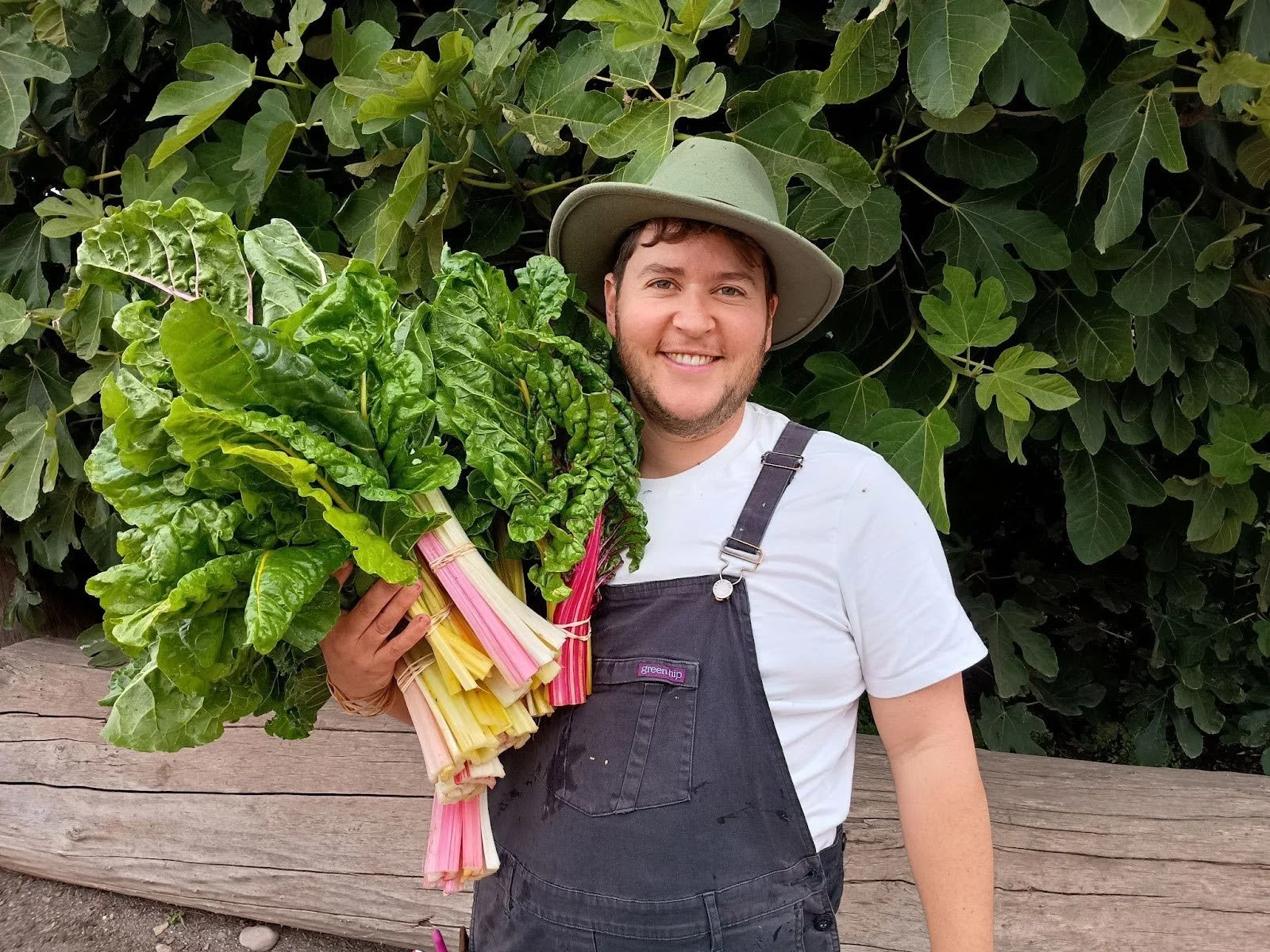
Indi Wishart
Indi (they/them) is a queer, trans gardener, activist and parent living and gardening near Wirraparinga (Brownhill Creek) south of Adelaide. They are an experienced community organiser in queer and climate movements and have worked as a community educator, gardener and farmer on local farms and as part of the power duo at Patch of Plenty for the last six years. Indi believes in the power of growing food to heal us all (it once saved their life!) and is passionate about making gardening and farming spaces available to those on the margins. Our Values
Healing
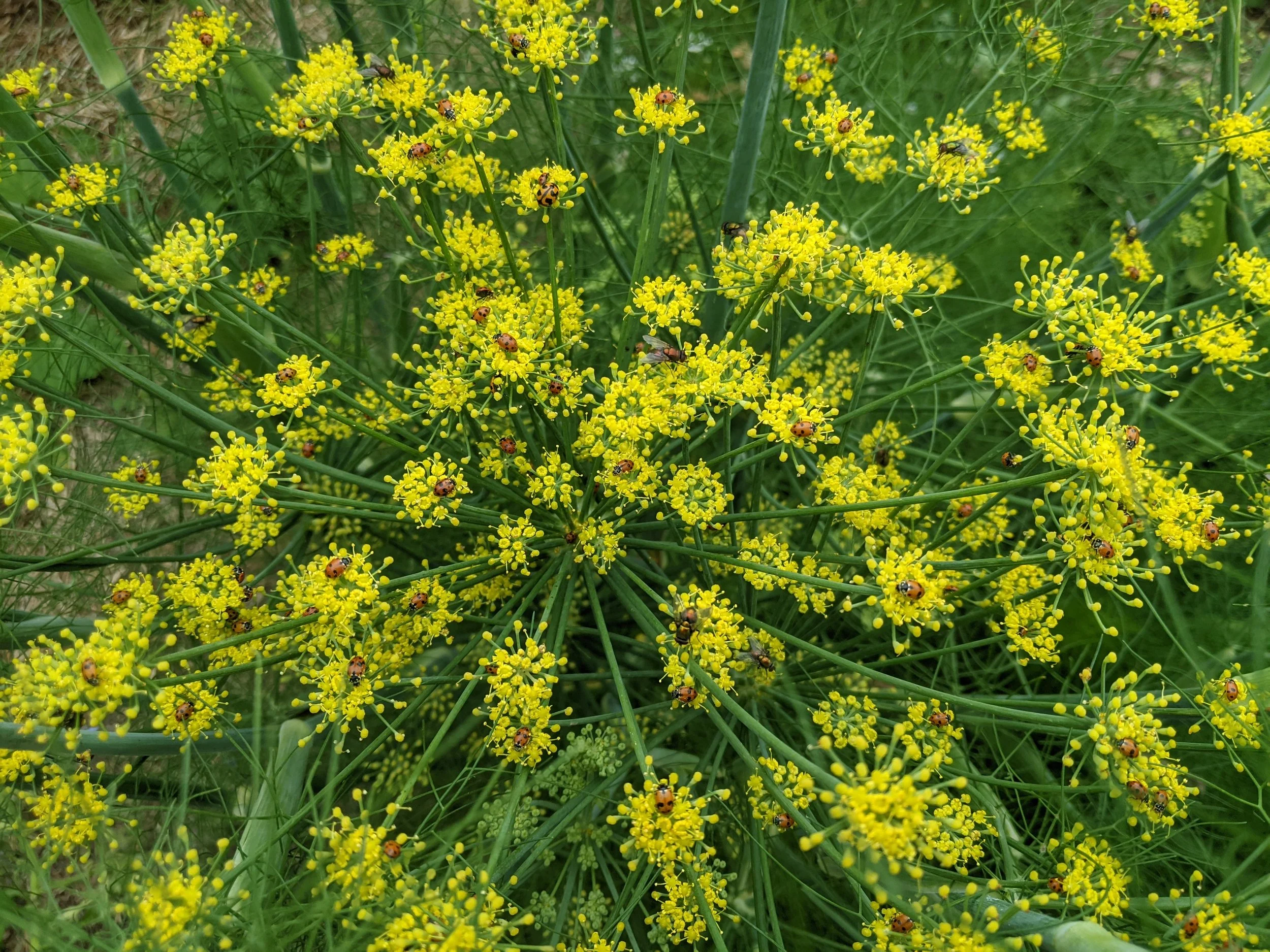
We choose to be part of a food system that heals rather than harms. This healing extends to bodies, hearts, relationships, ecosystems and social systems.
Our growing methods promote biodiversity, restore soils and contribute to cleaner air and waterways. Agriculture in this country has been responsible for so many harms, but we know it can also be about care.
Our work celebrates belonging and connection, upholds what we each need to be healthy, and puts relationships first. We also want to heal the relationship between land and people, and honour the ways both can look after each other.
We believe that growing, sharing and eating food should be joyful acts!
Justice
Exploitation is embedded in our food system. We need to name that so we can actively work against it, and demonstrate ways of growing, sharing, learning about and working with food that are just, inclusive and equitable.
Land justice movements take many forms. We are committed to walking alongside First Nations people in the fight for land justice and Land Back. We honour the land that grows our food and embrace agroecological practices that take a holistic approach to ecosystem health.
Justice for people in our local food system drives our focus on accessibility and inclusiveness, fair wages and solidarity with workers. Everyone should have the opportunity to benefit from growing food and participating in a food system that is welcoming to them.
Humility
For us, humility is a reminder of all the care and knowledge and toil, over countless generations and across the world, that informs our work on the land. It is knowing we are one tiny part of a vast and interconnected system.
We take accountability for our actions and mistakes, strive to be courageous and commit ourselves to ongoing thinking, research and experimentation.
We listen: to First Nations people, who have cared for and grown food on this land since time immemorial. To the communities we work with and alongside. To the land itself, telling us what it needs.
We make space for voices from the margins of our food system and society, and create an organisational culture that is open to learning and change.
Our Beginnings
Just Ground had its seed in Patch of Plenty, a gardening and education business run by Phoebe and Indi from 2020 to 2026. (The following is written from their perspective.)
Having both laboured for a few years on market gardens (including the late, great Village Greens), we both found that while the work of growing food was wonderful, it seemed to require a huge amount of personal sacrifice. We were on minimum wage and exhausted. We had a dream to run a farm together one day, but knew we had to wise up a bit first. How could we make growing food sustainable for us -- physically, financially and in line with our strongly-held values?
As Patch of Plenty, together we worked in home gardens, community gardens, compost yards and vast estates. As we dug trenches and trimmed hedges, pruned fruit trees and laid irrigation, we endlessly ruminated on the state of our food system, on why we still wanted to farm more than anything, and on how we might ever do it in an anti-capitalist way. Meanwhile, we were expanding our community education offerings and making teaching a bigger part of our work.
We decided that in this rigged economic system, we couldn't make small-scale food growing support itself financially while still allowing us to pour energy into all the other parts of the process that matter so much to us -- ensuring equitable access to that food; helping others learn how to grow it well; working towards meaningful relationships with First Nations people; continually researching and improving our farming methods -- all while respecting the limitations of our bodies, and parenting young children! And we knew we were not alone in this, as one after another of our passionate, hard working, clever small-scale farming friends burnt out and left for other professions.
Through years of research, discussion and connecting with others doing community-based food growing, we sketched out what would become the model for Just Ground -- a not-for-profit, community-based farm where food sovereignty came first.
We wanted good, fresh, delicious, healthy, culturally appropriate and responsibly-grown produce to be available to people who are lacking it, not just people who can afford it. We wanted to help return food growing to its central role in community wellbeing. We wanted to learn the ways in which growing food and caring for the environment can be embedded in the same actions, rather than at odds. And we wanted to share the joy and pleasure of growing, and look after ourselves and each other while doing it.
When we met social worker Sultana at our first Skills for Growing Food course, and listened to her speak about her dream of developing a garden-based model of nature therapy for helping people who have experienced trauma, another piece of the puzzle clicked into place. Together the three of us started Just Ground, with a commitment to building the local food system we wanted to see, and with a focus on justice and healing.
In 2026, we composted Patch of Plenty to help feed the soil in which Just Ground is taking root. While we search for a piece of land to make our home base, we work out of community gardens and collaborate with other grassroots organisations.
We are grateful to everyone who has taught us and engaged with us along the way, particularly our farming colleagues and friends; urban and community farmers across the country who have hosted us and responded generously to all our questions; First Nations family and Elders; consultants and trainers working for disability justice; radical land work movements here and overseas; supporters in local government and community centres; and all our families.